
Soil Pollution and Bioaccumulation
Given that POPs, PFAS, heavy metals, sulphur dioxide, nitrous oxides and VOCs are emitted by incineration is it not surprising there is a chance for soil pollution and then subsequent bioaccumulation through plants/stock and into the food chain.
It is most concerning that Veolia is refusing to conduct soil testing around its reference facility in the UK which they have listed in the EIS. What are they concerned about finding ?
Both NSW and National governments seem to assume Australia will always have enough food and drinking water as there is no official state or national food or water security policy. This is a negligent and cavalier approach to basic human rights. We need to be protecting our prime agricultural region and not polluting with waste incinerators to ensure the ongoing population health.
It is well documented for all the proposed toxins that ingestion is the most harmful route as such their entry into the food chain is of great concern (Tait et al, 2018).
Why is PFAS such a concern ??
PFAS is a “forever chemical” that bioaccumulates in soil, water, and ultimately in humans. There are over 15,000 different types of PFAS found in products such as firefighting foams, Teflon cookware, cardboard packaging, building materials, disposable coffee cups, face masks, makeup, and sunscreen. PFAS is known to be linked to cancer, infertility, birth defects, childhood mortality¹, and liver and thyroid disease.
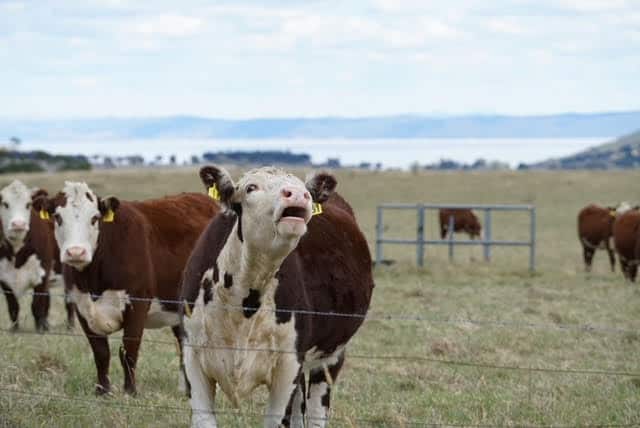
Incineration at 850°C does not break down all forms of PFAS². As a result, remnants of these chemicals end up in the bottom ash—and more concerningly, in the fly ash. Over time, fly ash can spread across surrounding land, entering the food chain through livestock and grain production. It may also contaminate rainwater tanks relied upon by rural communities for household use, and eventually flow into nearby watercourses. These waterways all lead east from the site, back to Sydney’s primary water catchment: Warragamba Dam.
Governments issue pollution licenses that allow companies to release toxins as long as they remain below “acceptable limits.” Yet science continually revises what is considered safe—almost always downward. In New South Wales, there is currently no government-imposed limit on how much PFAS an incinerator can emit, despite the fact that both the United States and Europe enforce zero-tolerance policies for these chemicals.
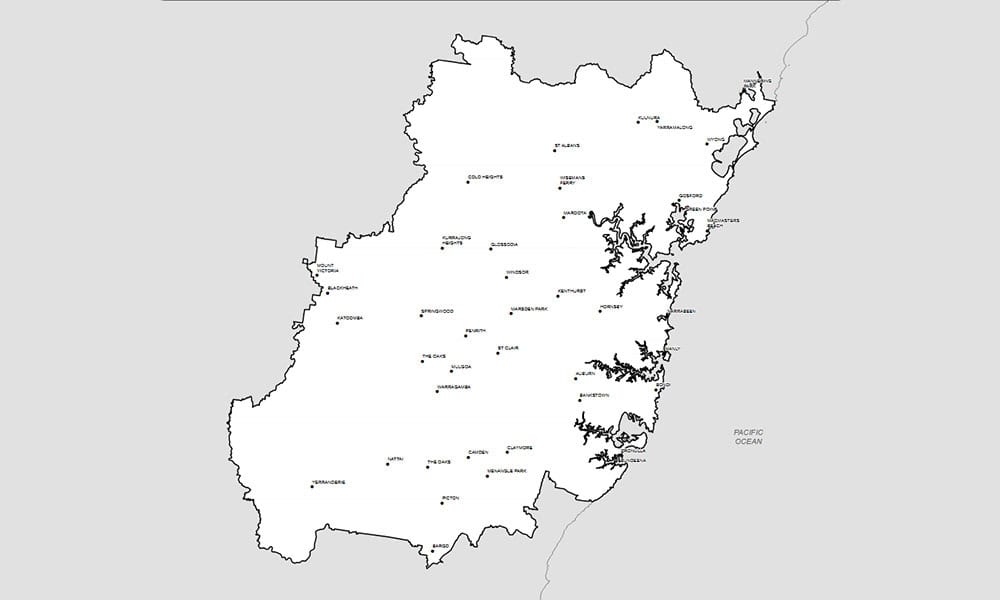
This is Sydney’s waste. Yet the State Environmental Planning Policy prohibits the construction of incinerators within the greater Sydney area. Why is that? And more importantly, can we trust the government to do the right thing by rural communities?
Save Our Future
Talk To Us – We’re Here To Help
We know the community cares about this – so it is time to get involved